Understanding Modern Trading in Today’s Stock Market (Beginner‑Friendly Guide)
Trading in today’s stock market looks very different from how it worked even a decade ago. With faster data, algorithmic systems, and global news moving prices in seconds, retail traders need more than luck—they need clarity, structure, and a strong mindset. In this guide, you’ll learn about common trading styles, how markets behave, and why psychology and risk management matter more than picking the “right” stock.
1. Popular Trading Styles in 2026
Today’s traders often choose from several broad styles, each suited to different time commitments and risk appetites. None of these are inherently right or wrong; they simply match different lifestyles.
- Day Trading
Day traders open and close positions within the same trading session. They focus on short‑timeframe charts, often using intraday volatility to capture small but repeated moves. This style demands focus, screen time, and strict rules for managing risk. - Swing Trading
Swing traders hold positions for a few days to several weeks, trying to capture the “swings” in price. This style balances frequent trading and screen time, making it popular among part‑time traders who are employed elsewhere. - Position Trading
Position traders think in weeks, months, or even years. They care more about the big‑picture trend and underlying fundamentals than short‑term noise. This style usually requires less screen time but more patience and the ability to tolerate drawdowns. - Price‑Action and Algorithmic Trading
Some traders rely on pure price‑action analysis—reading charts without many indicators—while others use algorithmic or rule‑based systems that execute trades automatically. These approaches emphasize discipline and back‑tested rules rather than emotions.
Regardless of the style, the key is consistency: following a predefined plan instead of reacting to fear or greed.
2. How Markets Move: Trends, Ranges, and Volatility
Before jumping into trades, it helps to understand how markets behave. Most traders simplify this into three main scenarios:
- Trending Markets
In a strong uptrend, prices tend to make higher highs and higher lows over time. In a downtrend, the opposite happens. Trend‑followers try to “ride” these moves until the trend shows signs of exhaustion. - Ranging or Sideways Markets
When neither buyers nor sellers dominate, prices move between relatively clear support and resistance levels. Range traders look for repeated bounces between these levels. - Volatility Spikes
Volatility can increase sharply around news, earnings, or macroeconomic events. Highly volatile markets can offer big opportunities but also amplify the impact of mistakes.
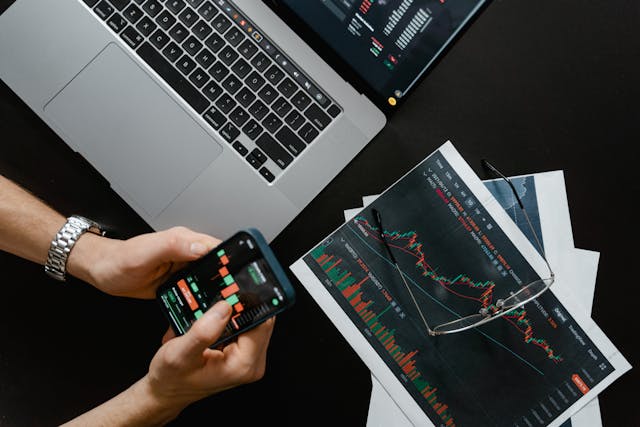
Learning to read simple charts—price direction, volume behavior, and basic patterns—helps traders understand the environment they are trading in, rather than guessing blindly.
3. Mindset and Psychology of a Trader
One of the most overlooked parts of trading is the mindset. Many beginners focus only on entries and exits, while experienced traders know that discipline and emotional control are far more important.
Common traits of successful traders include:
- Discipline to follow a plan even when emotions run high.
- Patience to wait for high‑quality setups instead of chasing every move.
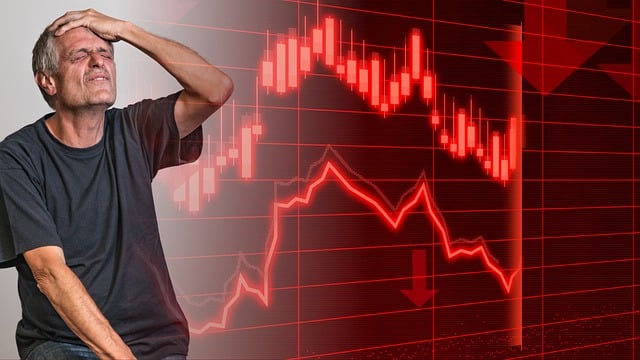
- Resilience to accept losses as part of the process and keep learning from them.
Fear, greed, and FOMO often lead to overtrading or ignoring stop‑loss rules. A clear trading journal, where you record every trade, its reasoning, and outcome, can help you spot emotional patterns and adjust your approach over time.
4. Risk Management: The Unsung Hero of Trading
Risk management is not glamorous, but it is the backbone of any long‑term trading strategy. Simply put, risk management is about protecting your capital so that you can keep trading even after a series of losses.
Key principles include:
- Limiting the amount risked per trade (for example, a fixed percentage of your total capital).
- Defining maximum daily or weekly loss limits.
- Using stop‑loss levels consistently to avoid large drawdowns.
- Planning the risk‑reward balance before entering any trade, so potential gains justify the risk taken.
Great trading systems protect the trader first and then seek profits. Without proper risk controls, even a winning strategy can lead to big losses.